
You know that moment when a space just doesn’t click, and customers turn around before ordering? The cafe business in Singapore is very competitive, and therefore, first impressions matter. Nevertheless, there are cafes that could create that kind of atmosphere, and people are willing to spend more time there, do their work in comfortable conditions, or just drink their coffee quietly.
The answer often lies in modern luxury interior design. This approach transforms ordinary commercial spaces into welcoming environments that customers genuinely love visiting.
Understanding Modern Luxury Interior Design in Singapore
Modern luxury interior design has nothing to do with showing off expensive items everywhere. Real luxury in Singapore cafes means creating upscale and approachable spaces. The essence of modern luxury focuses on quality experiences rather than flashy displays.
Smart interior designers know that true sophistication comes from thoughtful choices. Every element should have a purpose while looking effortlessly elegant. This philosophy works particularly well in Singapore’s diverse market, where customers appreciate both international standards and local comfort.
What Defines Modern Luxury Interior Design Style
The modern luxury interior design style is based on a few principles that operate harmoniously. The basis comprises clean lines, open spaces, and well-selected colour palettes. The key feature of the contemporary luxury interior design, though, is the integration of luxurious materials and functional design to provide a greater experience to the customers.

Japandi: Japanese and Scandinavian
Japandi is Scandinavian cosiness combined with Japanese minimalism. It is a design style that focuses on using natural materials, soothing colours, and minimalistic areas, which contribute to people’s natural relaxation.
Japandi offers real advantages to Singapore cafes. The style’s love of natural light works brilliantly in tropical climates. The quiet colour palette creates visual coolness that contrasts nicely with Singapore’s busy street life outside.
Key Elements of Japandi Design
Japandi also relies on certain elements of design that incorporate its defining appearance. The material base consists of natural wood, stone surfaces, and organic textures. The palette typically consists of soft warm whites, gentle greys, and earth colours that are naturally relaxing.
Lighting design matters enormously in Japandi spaces. Natural light comes first, supported by warm artificial lighting that creates cosy corners and accent areas. This transforms basic cafe spaces into places where customers actually want to spend time.
Transforming Cafe Spaces Through Design
Renovation projects must be planned well in order to avoid interrupting the business whilst producing the greatest effect. It starts by determining the way the customers use the space as it is and recognising areas of problems that can be addressed by designing. This assessment determines the choice of material and layout.
Living space principles apply to commercial environments when creating comfort zones. Different seating arrangements serve various customer needs—from quick coffee runs to extended work sessions. Modern luxury design accommodates these different requirements without losing visual harmony.

Design Ideas for Singapore Cafes
Effective cafe design ideas must work with Singapore’s unique conditions. High humidity affects material choices, while diverse customers require inclusive design approaches. Modern luxury concepts adapt well to appropriate materials and flexible layouts.
The trend in interior design in Singapore currently inclines toward nature. This sense of closeness to nature is established with living walls, natural materials, and an abundance of greenery, which city residents desperately miss. This trend matches the Japandi philosophy perfectly.
Creating Timeless Elegance
Classic beauty disregards the changing fads in favour of enduring attractiveness. Classic proportions, quality craftsmanship, and neutral palettes will make investments relevant for years. This would be most useful in the dynamic retail scene in Singapore.
Design factors must add more value to the customer experiences rather than overshadow them. It is a subtle luxury, in the form of material quality, space comfort, and attentive details, which leave the most impressions without clogging the senses of anyone.

The Role of Interior Design Services
Professional interior design services bring expertise that goes far beyond making things look good. Experienced interior designers understand how people move through spaces, how sound travels, and what maintenance really involves. They also navigate Singapore’s building codes while keeping design vision intact.
We at Le Interior Affairs specialise in commercial spaces. From initial ideas to final touches, our services ensure every detail supports business success while creating memorable customer experiences.
Japandi modern luxury interior design demonstrates that considerate premises make individuals feel at home and willing to come back. Combining Japanese simplicity and Scandinavian warmth can make cafes in Singapore more satisfying to customers and more successful in business. Such a strategy eventually transforms regular visits into unforgettable experiences.
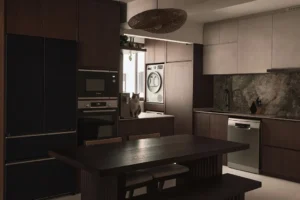
How Can Interior Design and Home Decor Boost Resale Value?
How Can Interior Design and Home Decor Boost Resale Value? The “feel” of a house can make a strong first impression, which can make a significant difference when it comes to a purchase. In this article, we explore how interior design and home decor can impact a home’s resale value, what steps homeowners can take to make their home appealing to potential buyers, and how to boost appeal and offers in Singapore’s market. Why Interior Design Matters Interior design is more than just the way spaces flow; it also involves how light interacts with a space and how rooms are used, which strongly affects buyers more than they realise. A
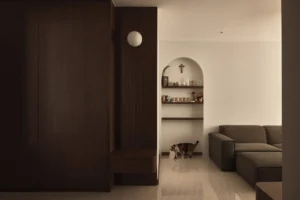
What Defines Modern Luxury Interior Design In Singapore?
What Defines Modern Luxury Interior Design In Singapore? Singapore homeowners searching for modern luxury interior design often expect glamour, but they also want comfort and function. This article explains what makes a space feel modern, luxurious and truly Singaporean. What Is a Modern Luxury Interior? Modern luxury interiors use high-quality materials, clean lines, and an intentional layout. Interior designers achieve elegance through minimalist principles that create spaces designed to endure over time. The end result balances refinement, comfort, and functionality. Key Features Of Luxury Interior Design In luxury interiors, quality craftsmanship in fittings and furnishings, along with well-designed lighting, plays a key role in creating the right mood. Le Interior
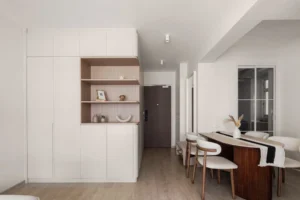
Skip DIY: Why Hire Residential Interior Design in Singapore
Skip DIY: Why Hire Residential Interior Design in Singapore It can be exciting and a little challenging to move into your new HDB, BTO or resale flat. Even though many Singapore homeowners choose to do the work themselves to save money, small errors in design, wiring, or materials can cause major headaches. Here’s why it’s often better to hire residential interior designers in Singapore, as they offer greater value, safety, and long-lasting results. Why Professional Interior Design Matters Trained interior designers can pay close attention to detail and work methodically. They develop plans that utilise the limited space available in homes in Singapore. They choose materials that work well in
